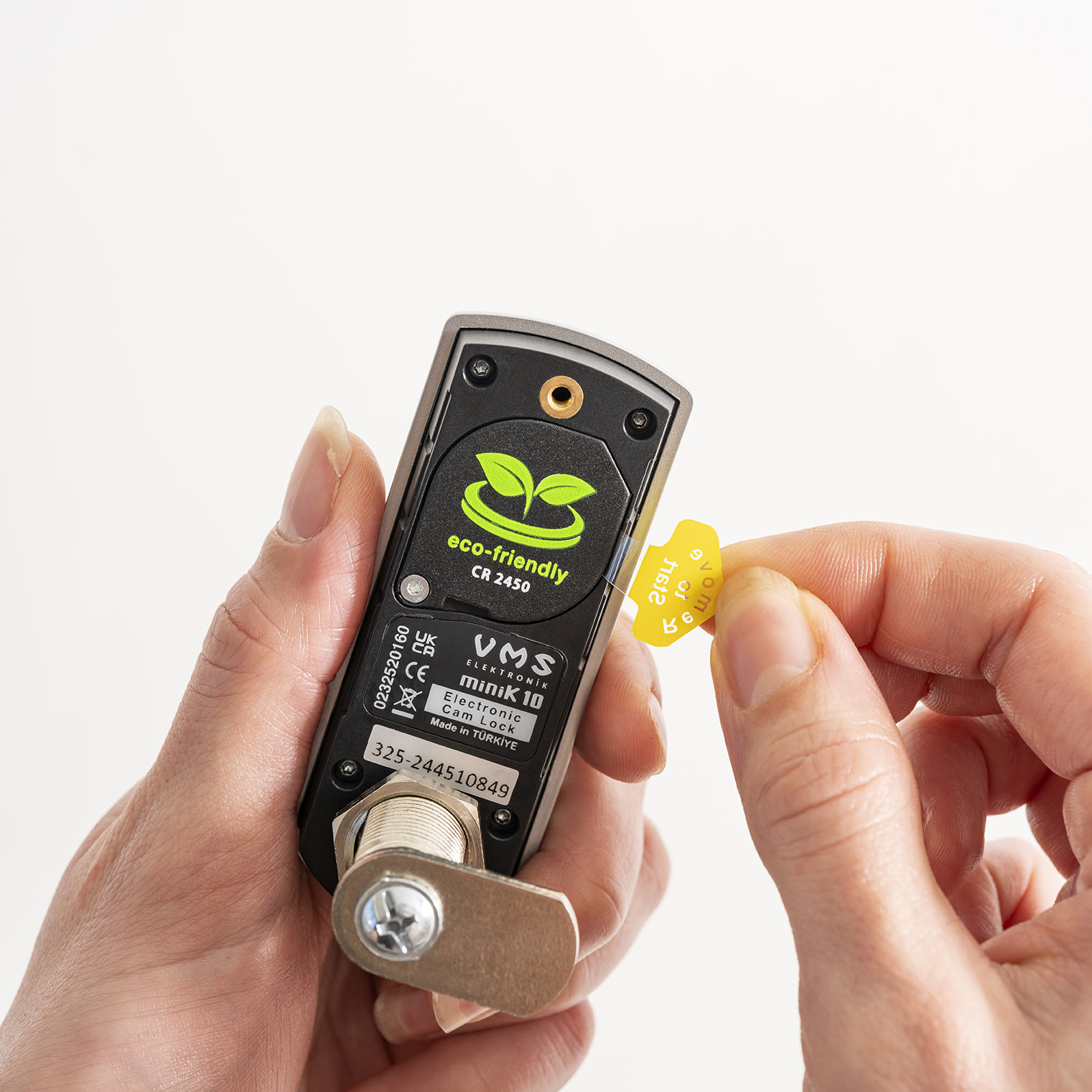
Using a metallized coating instead of nickel plating on the copper surface of the lock frame, a 7-year replacement program with a 50% discount, and switching from plastic blister packaging to cardboard packaging are all part of a holistic sustainability approach that reduces environmental impact, increases resource efficiency, and supports the circular economy.
somLock aims to protect both the planet and its users through reduced chemical and energy consumption, lower waste generation, and conscious consumption habits.
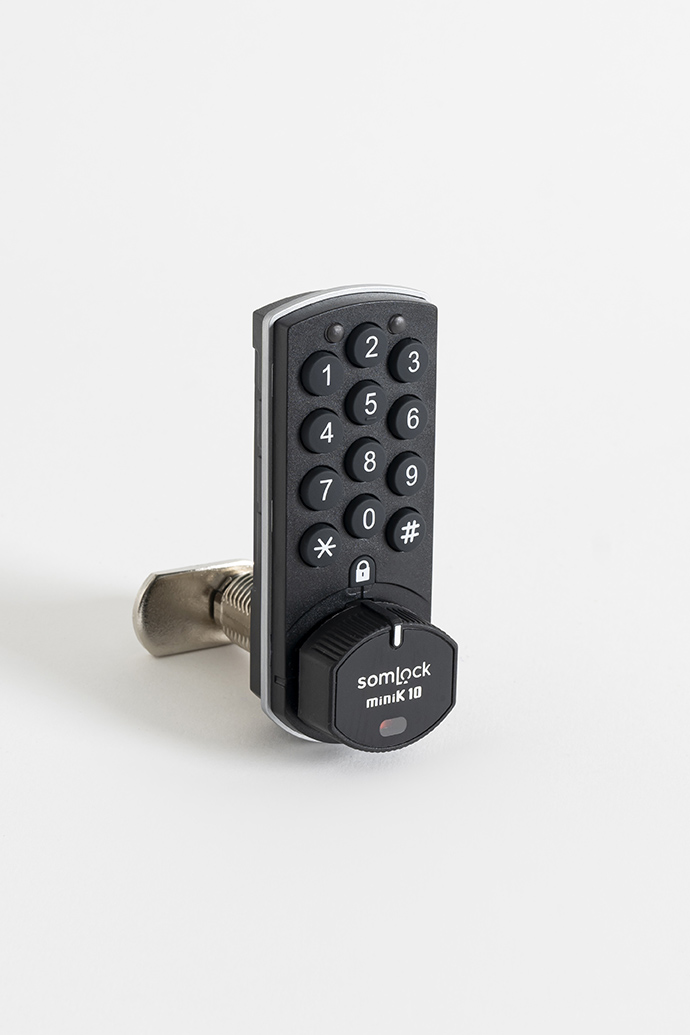
Applying a metallized coating instead of nickel plating over copper in the lock frame provides significant contributions in terms of sustainability. These contributions have an impact in environmental, economic, and occupational health dimensions.

Instead of heavy metal salts, acids, and complex chemicals used in copper and nickel plating processes, metalized coating uses fewer chemicals and limited heavy metal content. This reduces the risk of water pollution and the amount of hazardous waste.

EnerjiTuketimiAciklama
Metalized coating enables high performance with thinner layers; the amount of metals such as copper and nickel used is reduced. This allows natural resources to be used more efficiently.

The structure, which contains fewer multi-layered metals, facilitates separation during recycling processes; the amount of sludge and hazardous waste generated from plating baths is significantly reduced.

The elimination of nickel use through metalized coatings reduces workers' exposure risk and creates a safer production environment due to the allergenic and toxic effects of nickel compounds.
As a result, metallized coating contributes significantly to sustainable production goals through reduced chemical and energy consumption, low environmental impact, resource savings, and safer production processes.
Plastic blister packaging is generally single-use and has low recycling rates. Cardboard packaging, on the other hand, is a material that decomposes more quickly in nature and can be easily incorporated into recycling systems. This significantly reduces the amount of plastic waste accumulating in the environment.
The production process of cardboard packaging generally involves lower energy consumption and greenhouse gas emissions compared to plastic blister packaging.
The practice of replacing locks at a 50% discount after 7 years of use is an important approach that extends the product life cycle and supports resource efficiency in terms of sustainability. These contributions can be evaluated under the following headings:

Offering discounted replacement at the end of a specific usage period ensures that the product is renewed in a planned manner rather than randomly. This approach helps to control the lock before it loses its functionality and prevents sudden waste generation due to malfunction.

Rather than completely discarding the lock, directing users to a discounted exchange program encourages the inclusion of products in the recovery system. Exchanged locks can be evaluated in parts-based repair, refurbishment, or recycling processes, reducing regular storage waste.

The 50% discount exchange model establishes a return-based system between the manufacturer and the user. Collected old locks are returned to the cycle under the manufacturer's control for material recovery or reuse. This supports the transition from a linear “use-and-throw-away” model to a circular economy.

Recycling or refurbishing old locks requires less raw materials and energy compared to manufacturing new ones. This reduces natural resource consumption and carbon emissions associated with production.
From a 7-year warranty on the metalized coating to a 50% discount on the exchange program, and from cardboard packaging to recycling, this approach makes somLock not only a secure solution but also an environmentally conscious and resource-efficient one.


